刷短剧刷到“脑子发木”?这不是你的错觉.
- 2026-11-19 10:39:59
如果你有过这样的体验:本想“只看一集”就睡,抬头却已凌晨两点;刷完一部剧,没觉得放松,反而脑子发沉、做事提不起劲——你不是一个人,也不是意志力差。近期多项研究和一场围绕“字节时间”的公开论战,指向同一个结论:以短剧为代表的高频、碎片、即时反馈的内容生态,正在系统性地消耗人的注意力、情绪和认知能力。
If you've ever told yourself “just one more episode” and looked up to find two hours gone—only to feel more depleted than relaxed—you're not alone, and it's not a failure of willpower. Recent research, and a public spat over something called “Byte Time,” point to the same conclusion: the high-frequency, fragment-based, instant-reward content ecosystem—with short dramas as its most visible face—is systematically draining our attention, mood, and cognitive capacity.
01 你的大脑被“透支”了,不是“变笨”了
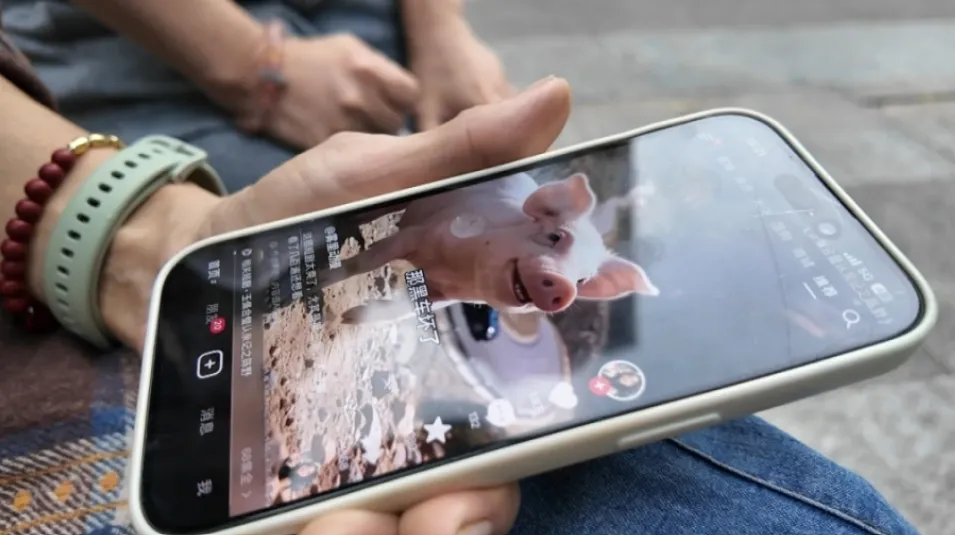
“短剧降智”曾冲上热搜。临床心理科医生的解释很直接:短剧密集的反转钩子持续刺激多巴胺,让大脑被动兴奋、超负荷运转。长期高频消耗后,再处理日常事务就容易疲惫,专注与理解能力暂时变差,产生“变笨”的感受。更关键的是奖赏阈值的升高:长期被高强度刺激“喂养”后,大脑对快乐的门槛越来越高,再去看书、散步、处理日常琐事,会觉得“没意思”“提不起劲”。
“Short dramas make you stupid” once trended on Chinese social media. Clinicians' explanation is blunt: the dense plot twists and hooks continuously stimulate dopamine, forcing the brain into passive overdrive. After prolonged high-frequency consumption, ordinary tasks feel exhausting, focus and comprehension temporarily decline, and you feel “dumber.” More fundamentally, thereward threshold rises: after being fed high-intensity stimulation for long enough, the brain's bar for pleasure climbs higher, and reading, walking, or handling daily chores start to feel “boring” and “pointless.”

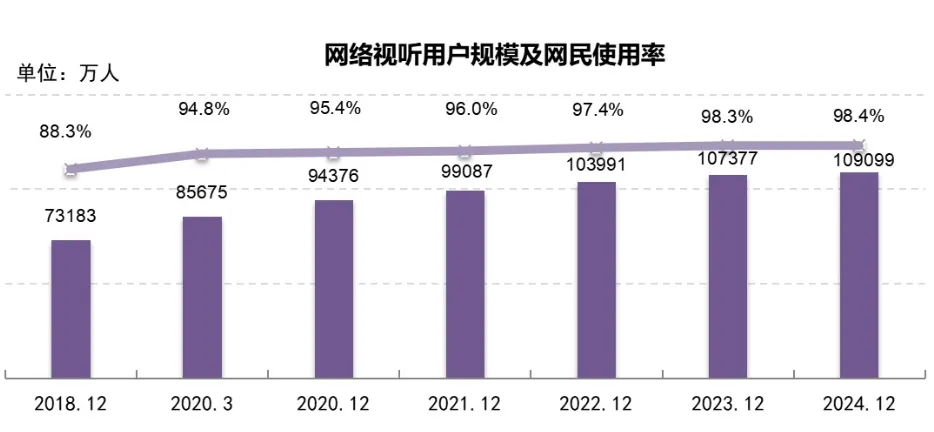
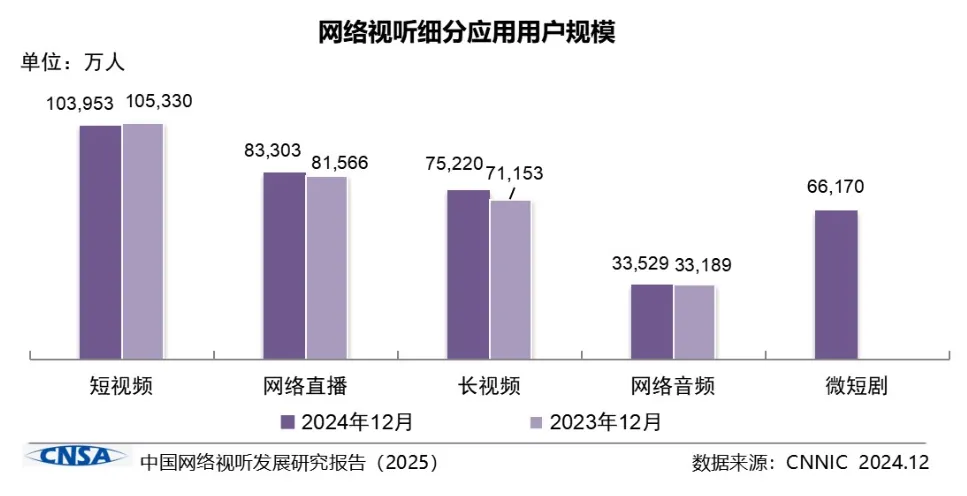
短视频的规模让这个问题更加触目惊心。截至2024年底,全国短视频用户突破10.4亿,人均每天刷2.6小时。一项研究发现,短视频成瘾牵动小脑区域多达521个基因的异常表达;清华大学团队的研究则揭示,“越刷越抑郁”存在纵向关联,而“悲伤情绪”是连接短视频成瘾与抑郁症状的关键桥梁。BMJ Public Health 2026年的一篇系统综述进一步指出,问题性短视频使用与注意力不稳定、执行控制降低、情绪调节困难存在关联,而使用模式(逃避、冲动、失控感)比单纯的使用时长更具解释力。
The scale of short video makes the problem even starker. By the end of 2024, China had over 1.04 billion short-video users, averaging2.6 hoursper day. One study found that short-video addiction is linked to abnormal expression of up to521 genesin cerebellar regions; research from Tsinghua University revealed a longitudinal association between problematic short-video use and depression, with “sadness” acting as a key bridge. A 2026 systematic review in BMJ Public Health further noted that problematic short-video use is associated with attentional instability, reduced executive control, and difficulty regulating emotions—and thatusage patterns(escapism, impulsivity, loss of control) are more explanatory than raw screen time.
02 “字节时间”:一场关于“谁在吃掉你的时间”的论战
就在本周,一个更具象的概念被推到了台前。
This week, a more concrete concept was pushed into the spotlight.
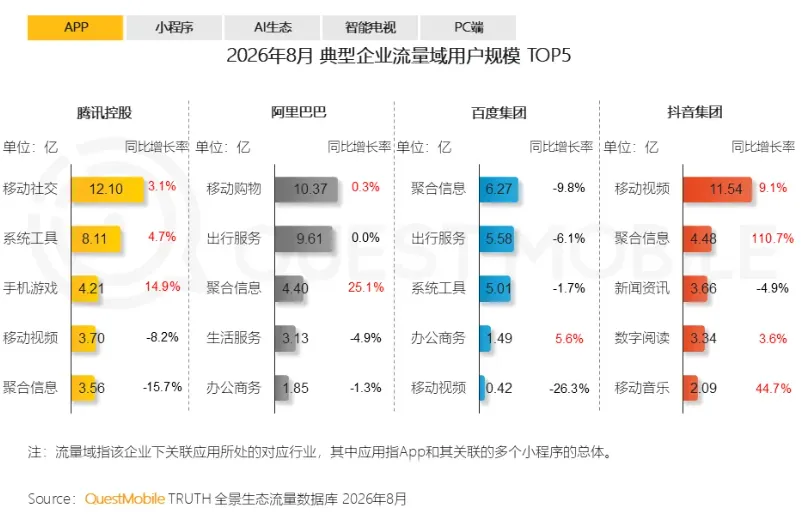
10月下旬,媒体人秦朔发表文章,援引 QuestMobile 数据指出:2026年8月,在中国移动互联网使用时长排名前50的 App 中,字节系占比达到41.8%,腾讯系降至28.6%,两者差距拉大到13.2个百分点。秦朔据此提出“中国互联网的字节时间”——即字节系产品在用户总使用时长中占据了支配性份额。
In late October, media figure Qin Shuo published an article citing QuestMobile data: in August 2026, among China's top 50 mobile apps by usage time,ByteDance-affiliated apps accounted for 41.8%, while Tencent's share fell to 28.6%—a gap widened to 13.2 percentage points. Qin coined the term “China internet's Byte Time,” arguing that ByteDance products now hold a dominant share of users' total time.
抖音集团副总裁李亮随即公开反驳,称这一说法“极不严谨,纯属瞎扯”。他的核心论据是:该数据只统计了 Top 50 App 的移动端时长,未计入长尾应用和 PC 端使用;且短剧、短视频属于充分竞争行业,市场格局变动快,没有哪家公司能稳居第一。秦朔则回应称,40%以上的时长份额本身就是一种“现实的事实”,无论用什么标签概括,字节系对用户时间的占据是显著的。
Douyin Group VP Li Liang publicly pushed back, calling the framing “extremely imprecise—pure nonsense.” His core arguments: the data only counted mobile time among the top 50 apps, excluding long-tail apps and PC usage; and short drama and short video are fiercely competitive sectors where no company can stay on top indefinitely. Qin responded that a 40%-plus share of usage time is itself “a factual reality”—whatever label you use, ByteDance's occupation of user time is significant.
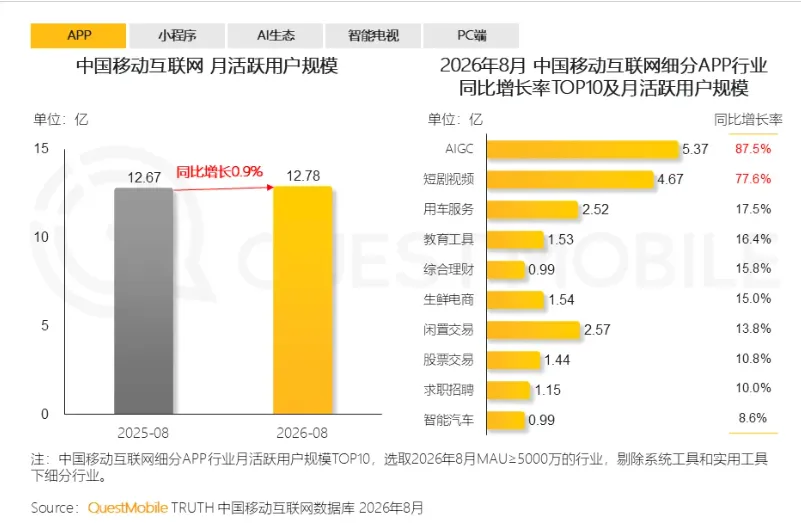
抛开这场论战的措辞之争,双方其实共享一个前提:字节系产品(抖音、红果短剧等)已经深度嵌入了数亿人的日常时间分配。红果短剧的人均单日使用时长在2026年2月就已达到125分钟,超过微信。而当一种内容形态的单日消耗逼近甚至超过一部标准长片的长度,它就不再是“碎片时间的消遣”,而是在重塑你的注意力习惯和时间感知。
Setting aside the wording of the dispute, both sides share a premise:ByteDance products—Douyin, Hongguo short dramas—are deeply embedded in how hundreds of millions of people allocate their daily time. Hongguo's average daily usage per user reached 125 minutes by February 2026, surpassing WeChat. When a single content format consumes close to—or more than—the length of a standard feature film per day, it is no longer “filling spare moments.” It is reshaping your attention habits and your perception of time.
03 不只是短剧:碎片化阅读正在侵蚀深度思考
短剧和短视频是最显眼的消耗者,但它们不是唯一。碎片化阅读披着“阅读”的外衣,做着类似的事。
Short dramas and short videos are the most visible drainers, but they aren't alone. Fragmented reading, draped in the cloak of “reading,” does something similar.
《光明日报》2026年4月的一篇文章指出,当我们习惯于140字的微博、15秒的短视频,大脑会逐渐适应快速切换、即时满足的模式,而深度阅读所需的持续专注与延迟满足能力便会退化。不少大学生已经很难静下心来持续阅读20分钟以上的纸质书籍,习惯于跳读、扫读,难以沉入文本构建的思想世界。更深层的问题在于认知方式的浅表化:深度阅读的本质是读者与作者跨越时空的思想对话,是意义的内化与重构。当“三分钟读完《百年孤独》”成为常态,理解力、判断力和创造力都会受到侵蚀。
An April 2026 article inGuangming Dailynoted that as we grow accustomed to 140-character posts and 15-second clips, the brain adapts to rapid switching and instant gratification—andthe capacity for sustained focus and delayed gratification that deep reading requires degrades. Many university students can no longer sit with a printed book for more than 20 minutes, defaulting to skimming and scanning, unable to sink into the world of thought a text constructs. The deeper issue is the shallowing of cognition itself: deep reading is a dialogue across time between reader and author, an internalization and reconstruction of meaning. When “finishingOne Hundred Years of Solitudein three minutes” becomes the norm, comprehension, judgment, and creativity all erode.
04 共同点:它们都在“训练”你远离深度
把这些放在一起看,会发现一个共同的逻辑:高频、碎片、即时反馈的内容形态,正在系统性地挤压深度注意力的生存空间。短剧用剧情钩子、短视频用算法推送、碎片阅读用“效率幻觉”,各自的方式不同,但结果趋同——大脑越来越难在没有外部刺激的情况下安静下来,做一件需要持续投入的事。
Put them together and a shared logic emerges:high-frequency, fragmented, instant-reward content is systematically squeezing out the space for deep attention. Short dramas use plot hooks, short videos use algorithmic feeds, fragmented reading uses the “illusion of efficiency”—different methods, same result: the brain finds it increasingly hard to stay quiet without external stimulation, to do something that requires sustained investment.
临床医生和研究者给出的建议朴素但有效:给大脑留出“无刺激”的时间。无聊并非坏事,当大脑终于有机会漫游,那些在日常干扰中不会浮现的想法才有空间生长。关键不在于彻底戒断某一种内容,而在于有意识地辨认:你打开它的那一刻,是在寻求真正的放松,还是在逃避安静下来之后可能面对的东西。
The advice from clinicians and researchers is plain but effective:give the brain time without stimulation. Boredom isn't a bad thing—when the mind finally has room to wander, thoughts that never surface amid daily noise find space to grow. The point isn't to quit any single format entirely, but to consciously recognize the moment you reach for it: are you seeking genuine rest, or avoiding what might come up if you let things go quiet?

